
General Sessions Is the First Bench-Warrant Call
The Lewis County General Sessions page lists a direct contact for the court and judicial commissioner at the Justice Center. That office is the first call for a county complaint, misdemeanor, or missed lower-court setting. The Circuit Court Clerk can route a question when a case has moved or the court name is unclear.
Ask whether the court has an initial-appearance date, whether counsel must arrange a walk-through, and whether the clerk can confirm a recall. A clerk can explain dates and routing, but not advise whether a motion is right for a case.
Image source: Lewis County General Sessions and Judicial Commissioner page, which publishes the lower-court contact route.
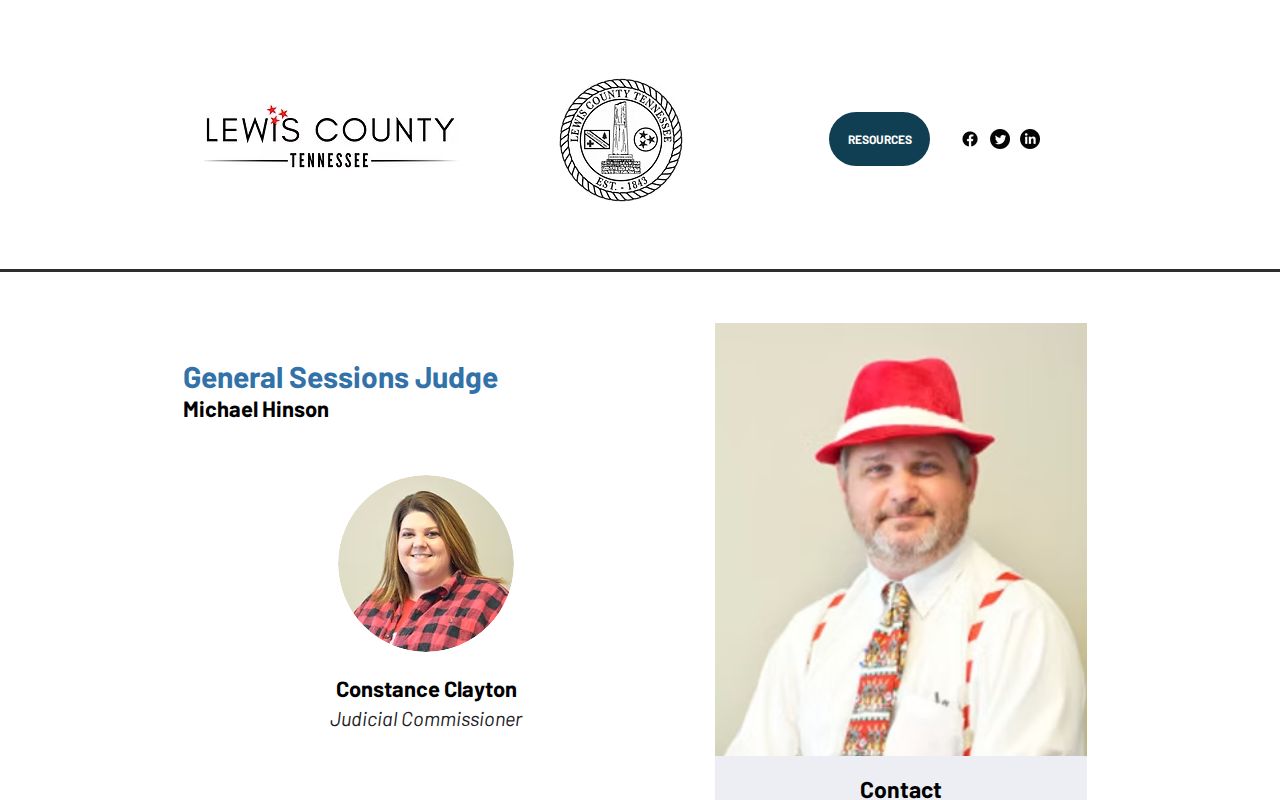
The court page gives a direct channel, while the specific warrant decision remains with the judge.
Lewis County Bench Warrants Explained
A bench warrant is court-directed process, often issued after someone misses a required appearance, fails to report for booking, disobeys an order, or is held in contempt. Tennessee's criminal-summons form warns that missing court or required processing can lead to a separate failure-to-appear offense. The Lewis County sources do not publish a local trigger checklist or automatic deadline.
A family or child-support case may use a different court route from a General Sessions criminal matter. Ask the office named on the notice which duty was missed and whether the case remains in that court. Do not assume nonpayment alone created a warrant.
A Missed Setting Is Not a New Complaint
A bench warrant is tied to an existing court duty. A new arrest warrant begins with a sworn complaint and probable-cause review. A summons is another form of process that tells a person when to appear and may warn of FTA consequences. Lewis County's forms keep those stages separate.
The difference matters when asking what to do. Give the clerk the paper's court and case number, then ask whether it is a bench warrant, capias, arrest warrant, or summons. Do not infer the type from a shorthand label on an old screen.
How Lewis County Bench Warrants Are Issued
The court that set the original duty controls the response when a person does not appear. A judge may direct an officer to take the person before that court. The state CAPIAS/BENCH form includes the case number, court, charge, bond amount, initial-appearance date, clerk signature, and officer return.
Lewis County does not publish a public bench-warrant database or a statewide search system. No local update interval is posted. Ask the clerk whether the process is active, whether a return was filed, and whether a court appearance or motion is required.
Hohenwald City Court Has Its Own Process
A citation naming a Hohenwald ordinance or the City of Hohenwald belongs first with the City Court Clerk at 106 North Court Street. The charter gives the city judge authority over ordinance matters, necessary process, and contempt. That city docket is separate from Lewis County General Sessions and Circuit records.
Hohenwald's police page and MTAS directory list the City Court Clerk's contact, but neither offers an online warrant search, payment portal, or recall form. Call before visiting and ask which exact procedure the judge requires.
Bench Warrants and Arrest Warrants Compared
A new Lewis County arrest warrant follows a sworn complaint and probable-cause review. A bench warrant follows a court duty such as a missed appearance or failure to report. The distinction affects the paperwork and the office that can explain it. For the probable-cause process, see the Lewis County arrest-warrant lookup.
| Feature | Bench Warrant | Arrest Warrant |
|---|---|---|
| Trigger | Missed setting, required booking, or court order | Sworn complaint and probable-cause finding |
| Authority | Court handling the existing case | Judge or authorized judicial officer |
| Record | Case, bond, appearance date, officer return | Complaint, charge, bond, officer return |
| Next step | Ask for appearance, recall, or quash process | Confirm surrender, bond, and court appearance |
Ask Before a Justice Center Visit
If a missed General Sessions date may have created a warrant, first call the court or your attorney. Ask whether the matter is still in General Sessions, was bound over, or has an initial appearance already set. Then call the sheriff to ask whether a surrender should be arranged and where to report.
Do not assume the 24-hour sheriff number means every court or bond service operates after hours. The Circuit Clerk and General Sessions pages list weekday office schedules, and the sheriff does not publish a separate warrant window.
Image source: Lewis County Sheriff's Office, the official contact for service and custody questions.
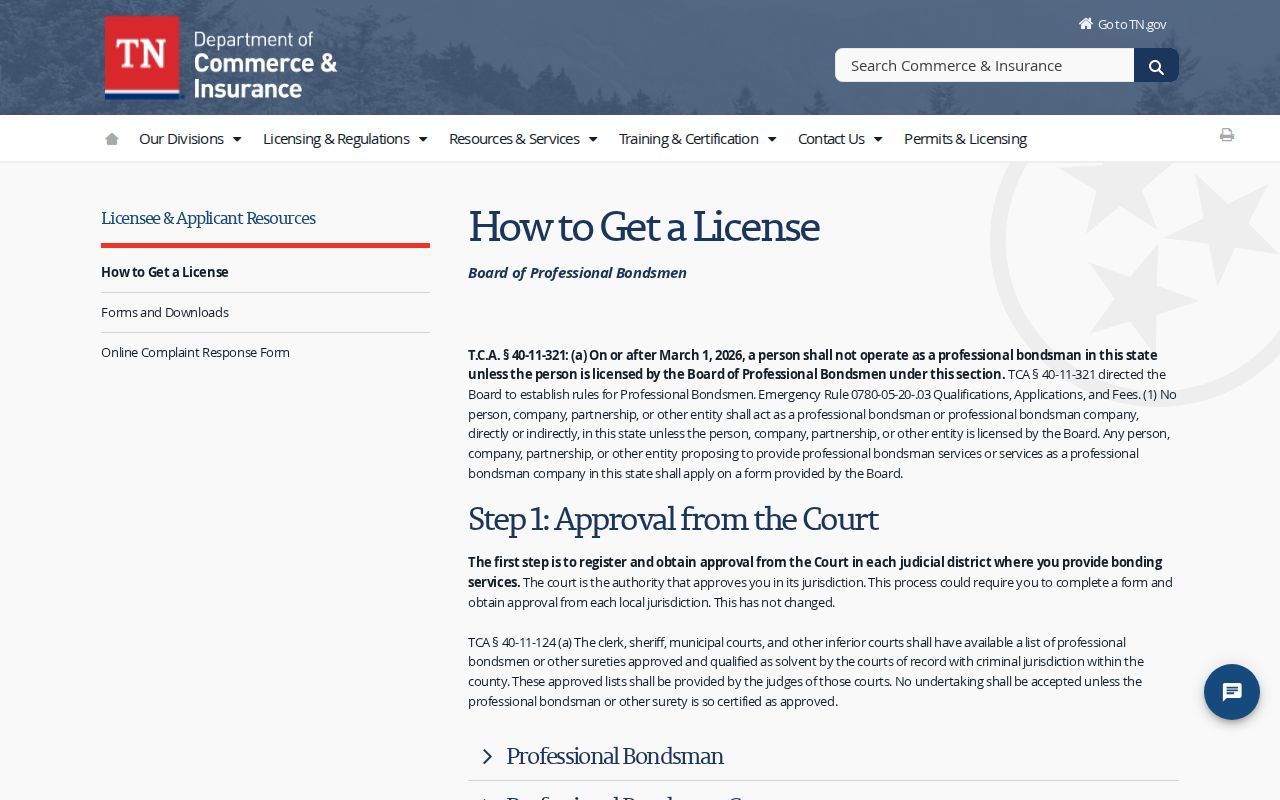
State licensing is separate from local acceptance; ask which sureties the issuing court approves.
Resolving a Lewis County Bench Warrant
Start with the issuing court, not a payment guess or an online search. Call the Circuit Court Clerk or General Sessions for a county case; call Hohenwald City Court for a city citation. If represented, ask counsel to confirm whether the judge expects a motion, a new date, bond reinstatement, or a personal appearance.
The sheriff's official page lists 24/7 service, but a special walk-in surrender or bond window is not published. Call before going to the jail and ask where to report and what happens after booking.
- Confirm the court, case number, warrant type, and current status.
- Ask counsel whether to request recall, quash, a new setting, or an arranged appearance.
- Ask whether bond is required, who accepts it, and which sureties the court approves.
- Get a written order or receipt and confirm the sheriff's service record is updated.
Caution: Do not assume a verbal promise, payment, or old printout cleared the process; get the court's current order and confirm its service update.
No Local Capias Pro Fine Label
Tennessee's court rules use capias for process after indictment or presentment, and the state publishes a combined CAPIAS/BENCH WARRANT form. The research did not find a Lewis County source using the exact label “capias pro fine.” A page should not assume that phrase applies to an unpaid local fine.
Ask the court whether its record says capias, bench warrant, contempt process, or another term. The same name can carry different procedures in different states, so local wording should come from the issuing court.
Lewis County Courts That Issue Bench Warrants
General Sessions Criminal Court and its judicial-commissioner contact handle lower-court criminal questions at the Justice Center, 29 West Main Street, (931) 796-5547. The Circuit Court Clerk, (931) 796-3724, routes General Sessions and Circuit records. Felony process may move to the 32nd Judicial District Circuit Court after bind-over or indictment.
Hohenwald City Court at 106 North Court Street, (931) 796-3223, holds city-ordinance and city-citation matters. The Clerk & Master handles Chancery and Probate records, not ordinary criminal warrants. For the county-wide confirmation chain, use the Lewis County warrant check.
Image source: Lewis County Clerk & Master page, useful for distinguishing civil and probate routing from criminal court records.
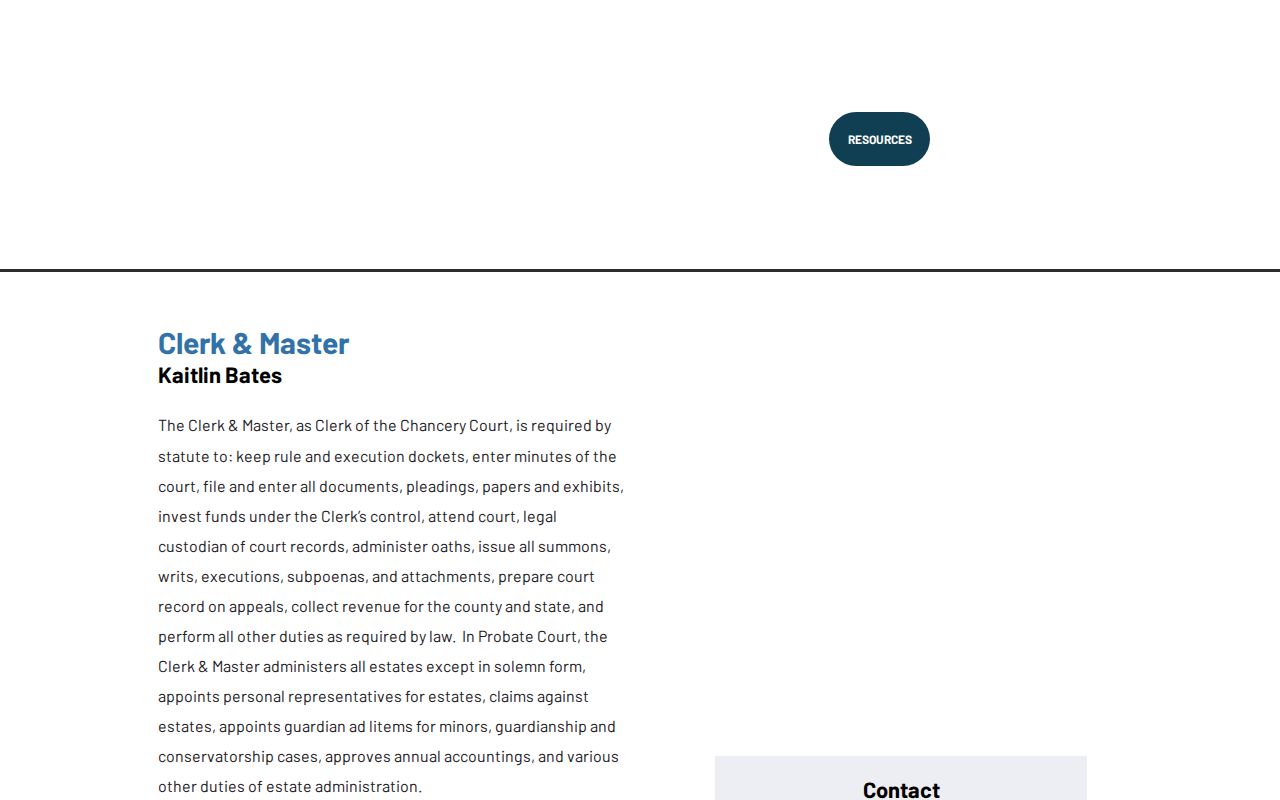
The office's published Chancery and Probate role is separate from the Circuit Clerk's General Sessions and Circuit files.